Types of printing
Printing plays a vital role in packaging, with multiple methods serving different needs. Flexographic printing ensures fast reel-to-reel output, offset delivers sharp and bulk-quality prints, digital offers quick and customized runs, and rotogravure provides premium, high-volume solutions. Each process ensures clarity, efficiency, and reliability across diverse industries.
Printing is the lifeline of packaging, publishing, and branding. From food wrappers to newspapers and shopping bags, everything around us involves printing in some form. Among the many techniques available, three methods dominate the industry worldwide because of their speed, quality, and flexibility:
Flexographic Printing (Flexo)
Rotogravure Printing (Roto)
Offset Printing
Let’s explore each one in detail with their uses, strengths, and applications.
1. Flexographic Printing (Flexo)
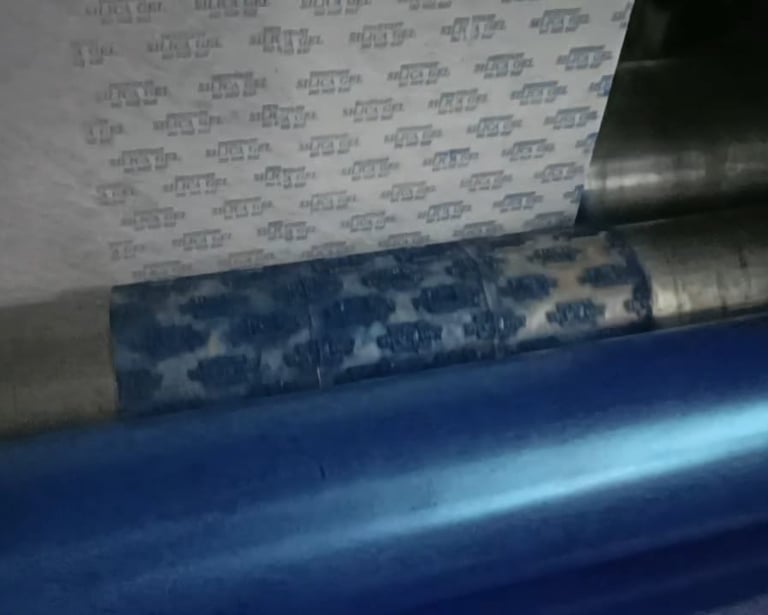
Flexographic printing, often called Flexo, is one of the most versatile printing techniques. It uses flexible plates (made of rubber or photopolymer) mounted on cylinders. These plates pick up ink and transfer it directly onto the printing material.
The biggest advantage of Flexo is that it can print on almost any surface—from paper and plastic films to foils, corrugated boards, and even non-woven fabric. That’s why it has become the go-to method for packaging and large-scale production.
Flexo presses usually work in reel-to-reel format, which means material rolls continuously pass through the machine, getting printed at very high speed. The inks used are quick-drying (water-based, solvent-based, or UV inks), making the process efficient and smudge-free.
Another reason for its popularity is cost efficiency. The printing plates are cheaper compared to Rotogravure cylinders, and they can last for millions of impressions. Flexo offers sharp printing, vibrant colors, and excellent consistency across large quantities.
Key Benefits of Flexo Printing
Prints on a wide variety of materials.
Cost-effective for bulk runs.
Eco-friendly inks available.
Fast drying = faster production.
Works perfectly for continuous jobs.
Common Uses of Flexo Printing
Food packaging: wrappers, labels, and pouches.
Eco-friendly non-woven shopping bags.
Branding on corrugated boxes and cartons.
Disposable items like tissues, napkins, wallpapers.
Newspapers, magazines, and simple books.
2. Rotogravure Printing (Roto)
Rotogravure, or Roto printing, is known for delivering exceptional quality and detail. Instead of plates, it uses engraved metal cylinders. Each cylinder has tiny cells etched into its surface that hold ink. When rolled onto the material, these cells transfer ink with remarkable precision, producing sharp images and deep colors.
Because the engraved cylinders are very durable, Roto is ideal for very large-scale production. Once the cylinder is ready, it can produce millions of impressions without losing clarity. However, cylinder preparation is expensive, which makes Roto cost-effective only when printing in very high volumes.
Roto presses also run at very high speeds, making them a favorite for industries with heavy demand. Its ability to handle flexible packaging materials like foils, laminates, and plastic films makes it the top choice for premium packaging brands.
Key Benefits of Rotogravure Printing
Photographic image quality and vibrant colors.
Long-lasting cylinders for bulk runs.
Extremely fast and reliable.
Works perfectly on flexible packaging materials.
Best for premium, high-end applications.
Common Uses of Rotogravure Printing
High-quality magazines and catalogs.
Premium packaging for chocolates, snacks, and beverages.
Gift wraps, wallpapers, and specialty papers.
Laminated plastic films used in flexible packaging.
Tobacco, cosmetics, and luxury product packaging.
3. Offset Printing
Offset printing is one of the oldest yet most trusted methods in the industry. It works by transferring ink from a plate to a rubber blanket and then onto the printing surface. This indirect process ensures clean, sharp, and consistent prints every time.
Offset is widely used for paper-based products such as newspapers, books, brochures, and marketing materials. Although the initial setup cost is higher than digital printing, the per-unit cost becomes very low for bulk projects. That’s why publishers and advertisers still prefer Offset for large runs.
Types of Offset Printing
Web Press Offset
Uses large rolls of paper.
Extremely fast and suitable for high-volume work.
Ideal for newspapers, textbooks, and magazines.
Sheetfed Offset
Uses individual sheets of paper.
Offers better precision and flexibility.
Perfect for brochures, posters, cartons, and high-quality prints.
Key Benefits of Offset Printing
Superior image sharpness and color accuracy.
Cost-effective for large print runs.
Reliable and consistent output.
Handles huge volumes with speed.
Works best for paper-based printing needs.
Common Uses of Offset Printing
Newspapers and daily prints.
Brochures, flyers, and posters.
Books, magazines, and catalogs.
Business stationery (cards, letterheads, envelopes).
Packaging cartons for FMCG and pharmaceuticals.